
Righteous vs Rival Streetwear Brands: How Does the Label Compare?
People shopping streetwear during 2026 have more options than ever, and this glut of options makes comparison the only sane way to buy. Question five random buyers what makes up “good streetwear” and you will get a handful of clashing opinions involving cut, material heft, release cadence, or brand narrative. This piece unpacks where We Are Righteous fits into that conversation, using hard particulars rather than generic compliments. This piece examines what the Righteous label really brings to the table, how it stakes its claim against competing brands in the category, and what common threads show up in the average Righteous write-up. No fabricated stats, no gaps papered over — just an honest read on how Righteous measures up when you are deciding where to spend your money.
What We Are Righteous Truly Represents
We Are Righteous shaped its image around one straightforward idea: clothing should carry meaning without being loud about it. The Righteous apparel line leans on understated visuals, thoughtful lettering, and a tone that prioritizes intent over chasing fads. The reason this counts is that most streetwear companies run on a duplicate-and-repeat approach — take a popular silhouette, slap a logo on it, ship it fast. The Righteous line takes a slower approach, which is reflected in how the products are framed and promoted rather than churned out across half a dozen monthly releases.
Even the name the brand chose sends a message. “We Are Righteous” as a name is not subtle, and it’s a deliberate choice. Language has long served as a badge within streetwear, and this label keeps that custom alive by making its name a statement rather christian t shirt than an abbreviation. Buyers who search for “we are righteous brand” online will generally come across a lineup built around tees with graphics, hoodies, and outerwear that come across as thoughtful instead of forgettable.
Compare that to brands built purely on hype cycles — those leaning on limited releases and inflated resale prices to stir attention. The brand doesn’t seem to pursue that formula with the same intensity, which shifts how customers relate to the brand. Purchases happen out of genuine liking for the item, not resale intent. This single difference divides a segment of the market into opposing sides, and Righteous aligns more with the side favoring everyday wear over speculation.
The Righteous Hoodie as a Closer Look
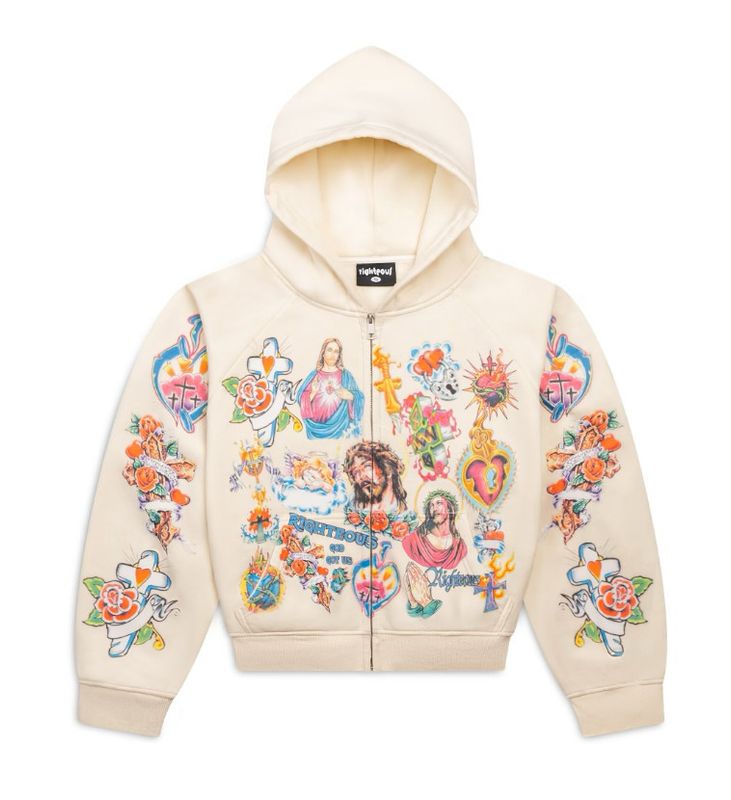
A hoodie is the single most telling product for sizing up any streetwear brand on, since they lay bare everything about construction priorities. A label can glam up a t-shirt with clever printing, but a hoodie lays bare shaky construction, thin fleece, and a careless cut within just one wash. Because hoodies remain the anchor product for the majority of streetwear collections, including Righteous, Righteous’s hoodie range comes up frequently whenever Righteous is reviewed.
What shoppers tend to flag in reviews is consistent sizing and print positioning — the exact spots where cheaper streetwear brands often cut corners. Uneven shrinkage or graphics that crack after a handful of washes will torpedo a brand’s reputation faster than almost anything else. How Righteous handles its hoodie releases signals real care around these issues, establishing the product as a wardrobe staple rather than a fad piece that fades after one season.
Worth mentioning is the fact that hoodie pricing throughout the streetwear market differs enormously — some brands occupy the affordable bracket, while others climb into higher-end territory above $150 each. Without a fixed price point published here, the fair comparison point is positioning: Righteous markets itself as accessible streetwear with intentional design, not as a near-luxury brand hunting for four-figure resale prices. That stance means it faces off with one defined segment rather than everything at once.
How Righteous Stacks Up Against Other Streetwear Brands
The table that follows outlines the factors that matter most to streetwear buyers: design ethos, product focus, release cadence, and community vibe. These are the factors that actually predict whether you will be happy with a purchase six months later, not just on unboxing day.
| Factor | Righteous, We Are | Hype-Driven Streetwear Brands | Fast-Fashion Streetwear Labels |
|---|---|---|---|
| Design Philosophy | Meaning-driven, consistent brand voice | Trend-reactive, logo-first | Copy-paste of viral styles |
| Main Product Focus | Hoodies, printed tees, and outerwear pieces | Limited-run collabs and exclusives | Broad catalog, low differentiation |
| Release Cadence | Deliberate, unhurried pacing | Frequent scarcity drops | Constant, high-volume restocks |
| Resale Market Presence | Little emphasis placed on resale | Core to how the brand operates | Rarely applicable |
| Community Feel | Rooted in values and identity | Status and access-based | Driven by price, with little loyalty |
One clear takeaway from this table is this: Righteous is not trying to win the same contest as hype-driven labels chasing resale markups, nor is it competing on the lowest possible pricing against fast-fashion streetwear. It carves out a middle ground — identity still matters, but so does creating pieces people genuinely keep wearing. That middle lane is underserved in a market that often forces shoppers to choose between “overpriced hype” and “cheap and forgettable.”
What Shows Up in a Typical Righteous Review
Reviews are the place where brand promises meet real-world scrutiny, and a handful of consistent threads keep showing up across Righteous’s review content. First, people comment on the brand’s tone — unlike the average streetwear name, the messaging here builds around a set of values rather than aesthetics alone. Also common are comments about sizing and fit, an unsurprising pattern for any hoodie-and-outerwear brand, since fit naturally varies depending on individual body shape.
Moving to the third point, and it’s precisely here that a we are righteous review typically gets specific, shoppers weigh in on whether the graphics and printing quality endure across seasons of use. Fans of streetwear are unusually attentive to this detail because they have been let down previously by brands whose prints crack or dull within about twelve washes. The consistent conclusion drawn across reviews is that Righteous treats durability and print quality as a core focus, which is consistent with the brand’s slower, more intentional release approach discussed earlier on.
Fourth, shipping and customer service experiences shape review sentiment as much as the product itself — this holds true industry-wide, not just for Righteous. A shopper who loves a hoodie but has a rough delivery experience will often leave a mixed review, which is why judging any streetwear brand purely on product photos is incomplete. Reading a range of reviews rather than a single glowing or scathing one gives a far more accurate picture of what to expect.
The Righteous Clothing Position in 2026’s Urban Fashion World for 2026
The streetwear landscape in 2026 is more scattered than it was half a decade back. Small independent labels drop new releases every week across social media, well-known labels compete for placement in multi-brand retailers, and secondary markets have turned scarcity into a deliberate marketing device instead of a mere side effect of limited runs. Righteous clothing brand’s calmer strategy stands out, against that backdrop, by choosing restraint over the full hype playbook.
That counts in real terms for shoppers. If your goal is a hoodie that lasts through two winters instead of just one season, a brand not solely engineered around release-day mania is a safer bet. Should your priority be flipping items for profit or building a collector’s reputation, Righteous is probably not positioning itself as your target brand — and that is a fair trade-off to understand before buying rather than after.
The thing you’re actually after is, at bottom, what settles this comparison. The streetwear space has fractured into separate sub-markets: clout-chasing hype culture, price-driven fast fashion, and in-between labels built around identity. Through a sufficiently clear voice, We Are Righteous claims that middle space, which means shoppers digging for “righteous” or “we are righteous brand” online land on a consistent story as opposed to a all-over-the-place catalog running after each trend at the same time.
For anyone weighing Righteous apparel against competitors, the smartest approach is treating this comparison as a starting point, not a final verdict. Read current reviews, check fit notes on the product pages you’re actually considering, and weigh that information against what matters most to you — whether that’s construction quality, brand values, or simply finding a hoodie that will still look good next winter.
Recent Comments